Lightning is the most dangerous and frequently encountered weather hazard that most people experience each year. Lightning is caused by a discharge of atmospheric electricity from one cloud to another or from a cloud to the earth. Lightning can travel 90,000 miles per second and a lightning bolt can generate heat in excess of 50,000 degrees Fahrenheit—a temperature five times hotter than the surface of the sun.
See how to determine your risk, prepare your family, learn about your building code, and identify ways to strengthen your home against lightning.
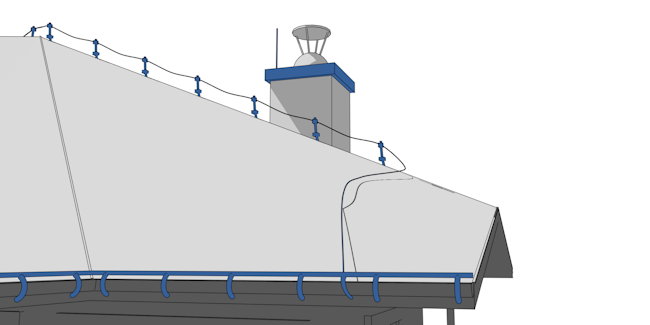
Before lightning strikes, consider strengthening your home with a lightning protection system and surge protection devices to protect your home from lightning damage.
During the storm, stay safe by staying indoors and keeping away from windows and doors. Monitor the status of the storm and wait until it’s over to bathe, shower, wash dishes, or come into contact with water.
If you are away from your home, find a safe, enclosed shelter when you hear thunder or see lightning.
Wait at least 30 minutes after the last lightning strike or thunderclap to resume any outdoor activities.
If your house may have been struck by lightning, look for signs of fire: smoke, charred electrical outlets, or heat from your attic.
Please enter a more specific address.
A Severe Thunderstorm Watch and a Severe Thunderstorm Warning differ in terms of how certain or immediate the threat is. In both cases, it is important to stay informed about the developments taking place in and around your region. This will help you make informed decisions in times of emergencies.

Severe Thunderstorm Watch: This warning means that you must be prepared for extreme weather conditions. The warning is issued when the conditions are favorable for severe thunderstorms.
You have to stay informed about the escalating weather conditions and be ready to act if or when a warning is issued. The area under the watch is typically large, encompassing numerous countries or states.

Severe Thunderstorm Warning: This warning means that it is time to take action. It is issued when a severe thunderstorm is occurring or imminent. The warning is issued based on radar or confirmed visual reports.
The weather conditions supporting this warning include damaging winds, large hail, lightning, or heavy rain that can affect power lines. The warning typically encompasses a smaller area and signals that immediate safety actions must be taken.
The Federal Alliance for Safe Homes (FLASH) — a 501(c)(3) nonprofit organization — is the leading consumer advocate for strengthening homes and safeguarding families from natural and manmade disasters by following a solid emergency plan.
The Playbook provides proven strategies for all leaders who wish to drive resilience.
This annual conference brings together the nation’s leading voices in disaster safety.
Inspect2Protect will help you understand the building code where you live.
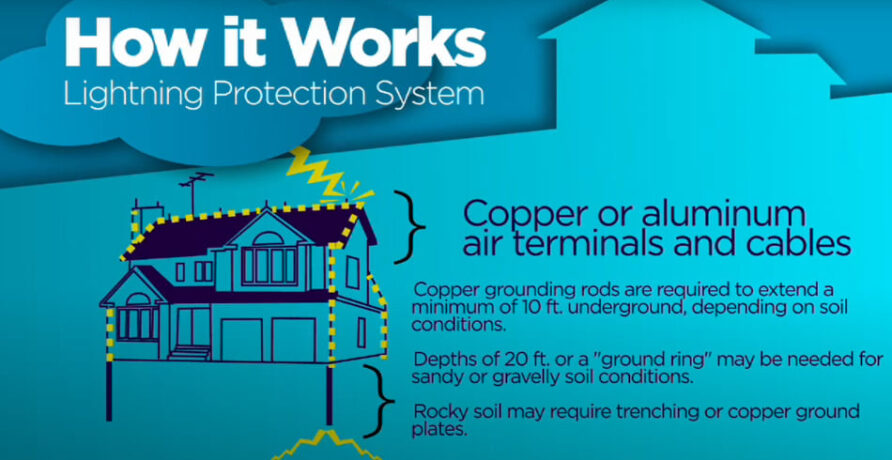
Lightning Protection Systems
Understanding lightning and its risks is the first step towards safety. Here is some crucial information every homeowner should know:
Lightning is caused when natural forces inside a thunderstorm create a large electrical charge. As ice particles collide and move within the cloud, a charge separation forms (positive on top, negative at the base of the cloud). When the difference in charge becomes large enough, a lightning bolt travels either within the cloud, between clouds, or from cloud to ground. That bolt is the rapid release of energy we see and hear.
Because storm-cloud bases can carry negative charge and the ground can carry positive, a lightning strike can leap from cloud to earth, carrying immense power. That is why homes need surge protection and proper grounding when storms are active.
A cloud flash is lightning that occurs within a thundercloud that is not visible from the ground. Unlike cloud-to-ground lightning, which is visible and strikes the ground, cloud flashes occur within the cloud itself and are hidden by the dense layer of clouds.
Thunder is a sound wave created by the rapid expansion of air that occurs when lightning heats the air to extremely high temperatures. The intense heat causes the air to expand rapidly, creating a shock wave that travels through the atmosphere as sound waves, which we hear as thunder.
While you may not always see lightning when you hear thunder, it is not possible to have thunder without it.
Likewise, lightning always creates thunder. If you see lightning and do not hear thunder, it is likely you are too far away from the strike.
A lightning strike to a home can be very dangerous in several ways:
Even if a strike doesn’t hit your house directly, nearby strikes can still introduce dangerous surges through utility lines. That is why surge protection and proper grounding are critical.
Long-term upgrades offer stronger protection and work best when used together.
Recommended home upgrades:
There are practical steps you can take to reduce your home’s vulnerability to lightning and create a safe shelter: