An earthquake can last for seconds or minutes with multiple aftershocks. Earthquakes can cause buildings and bridges to collapse — and trigger avalanches, flash floods, fires, landslides, or tsunamis.
See how to determine your risk, prepare your family, learn about your building code, and identify ways to strengthen your home against earthquakes.
Before an earthquake, secure your home contents, make a disaster plan, and assemble a disaster supply kit. Prioritize water since earthquakes can disrupt supply or purification.
Contact your insurance company for an annual checkup to ensure you understand your policy and have adequate coverage. If you have an older home, strengthen it with retrofits to withstand shaking.
To prepare your business or organization for an earthquake, download the free Ready Business QuakeSmart Toolkit and watch the videos to kickstart your planning.
While inside during an earthquake, stay away from doorways and Drop, Cover, and Hold On.
If you are outside, get into the open — away from buildings, power lines, chimneys, and anything else that might fall on you.
Danger from an earthquake isn’t over once the shaking stops. If you are in a damaged building, go outside and move away. Do not enter damaged buildings. Don’t use matches, lighters, barbecues, electrical equipment, or appliances until you are sure there are no gas leaks.
Take photos of property damage and file a claim with your insurance company. Plan to repair and rebuild resiliently to prevent damage from future earthquakes.
Please enter a more specific address.
The Federal Alliance for Safe Homes (FLASH) — a 501(c)(3) nonprofit organization — is the leading consumer advocate for strengthening homes and safeguarding families from natural and manmade disasters by following a solid emergency plan.
The Playbook provides proven strategies for all leaders who wish to drive resilience.
This annual conference brings together the nation’s leading voices in disaster safety.
Inspect2Protect will help you understand the building code where you live.
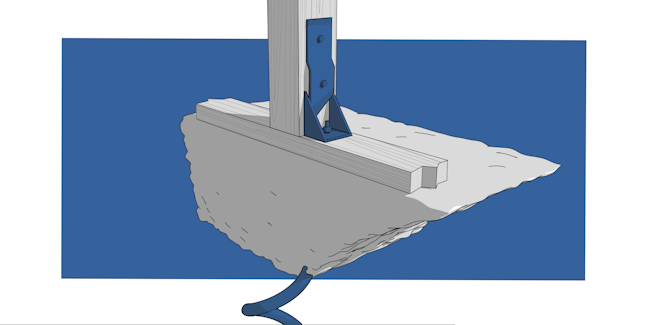
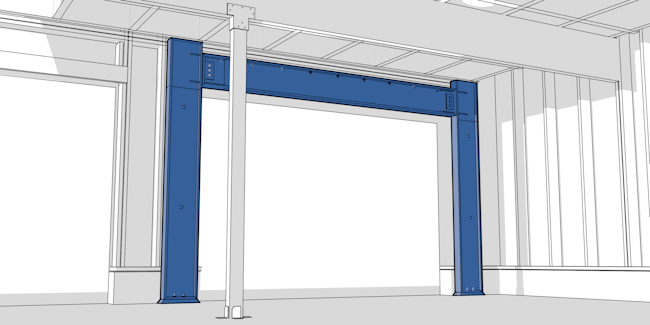
If you want to make your home earthquake-resistant, we are here to help. Protect your home from earthquakes with simple, proactive steps. Reinforce your home’s foundation and check for structural weaknesses. Moreover, keep an emergency disaster supply kit and some personal belongings handy, and participate in the Great Shakeout Earthquake drill. View the video today to learn more.


Is Your Groovy Home Earthquake Ready?


How to Secure Furniture for an Earthquake


How to Prevent Post Earthquake Fires


How to Secure Hanging Artwork for an Earthquake


Protect Your Contents - Secure Your Space
Earthquake safety starts with knowing what you are up against. Here is some crucial knowledge every homeowner should have about earthquakes:
Earthquakes happen when large pieces of the Earth’s crust, called tectonic plates, shift or break. This movement releases energy that travels through the ground and causes earthquake shaking. Most earthquakes occur along plate boundaries, but they can also happen in areas far from the coast when stress builds up underground.
Natural causes include plate movement, volcanic activity, and faults deep in the Earth. Human activities like mining or deep drilling can sometimes trigger small quakes, but the strongest earthquakes come from natural plate movement.
While current research is inconclusive, some anecdotal evidence suggests that animals may be able to sense changes in the Earth’s crust or electromagnetic activity before an earthquake.
Dogs barking incessantly, birds flying away en masse, and fish jumping out of the water are just a few examples of unusual behavior observed before the ground shakes. That said, it is difficult to determine whether these behaviors predict earthquakes or are simply coincidental.
In most cases, you should not run outside during an earthquake as there may be falling debris, broken glass, or other hazards that could cause injury.
If you are indoors, drop to the ground, take cover under a sturdy piece of furniture (such as a desk or table), and hold on until the shaking stops. If you are in bed, stay there and cover your head with a pillow. Protect your head and neck with your arms.
If you are outdoors, move to an open area away from buildings, trees, or other structures that could collapse or fall. If you are in a vehicle, pull over to a clear place and stay inside with your seat belt fastened until the shaking stops.
Remember, it is not safe to run outside during an earthquake in almost all cases. Instead, follow the recommended safety procedures based on your location and circumstances.
The safest place is inside a well-built structure where you can protect yourself from falling objects. Use the simple “Drop, Cover, and Hold On” steps:
Avoid doorways, running outside, elevators, and areas with glass, heavy shelves, or items that can fall.
You can reduce the chance of structural damage by strengthening weak points in your home and securing anything that could fall or break. Some improvements are simple and affordable, while others may require a trained contractor.
Steps to protect your home:
These upgrades can help keep your home stable during shaking and reduce hazards that can cause injuries.