Generally, extreme heat is defined as temperatures that hover 10 degrees or more above the average high temperature for the region that last for prolonged periods of time and are accompanied by high humidity that the body cannot tolerate.
Use our lookup tool to determine your risk, prepare your family, and identify ways to strengthen your home against extreme heat.
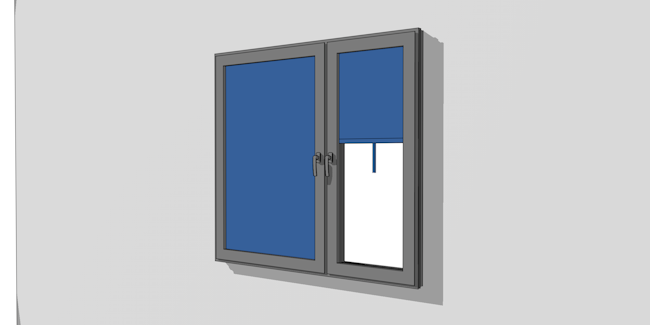
Prepare for extreme heat by building a disaster supply kit, and prioritizing drinking water for people and pets. Keep cool air from escaping your home by weatherizing your home’s windows and doors each year. Maintain air conditioning systems.
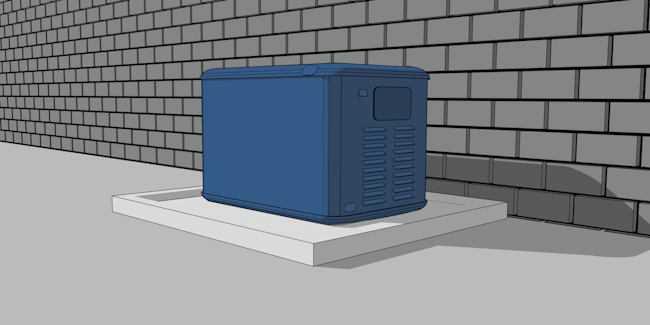
Plan for a power outage, and consider purchasing a portable or whole-home generator.
When temperatures rise, stay indoors and monitor the weather, following the advice of local authorities. Wear loose, lightweight, light-colored clothing and drink plenty of fluids to stay hydrated.
If air conditioning is not available in your home, go to a cooling center in your community. In the event of a power outage, use generators safely.
After a period of extreme heat, check on family members, seniors, and neighbors. Know the signs of heat-related illness, and understand treatment options.
Inspect your home for damage caused by excessive moisture and humidity. Make all necessary repairs to reduce your health and safety risk during future events.
Please enter a more specific address.
An Excessive Heat Watch and Excessive Heat Warning are issued based on the timing and severity of dangerous heat conditions. Watch means to “be prepared,” and warning means to “take action now.” Let us look at both in detail:

Excessive Heat Watch: This means that conditions are favorable for dangerous heat to develop. The warning is generally issued 12 to 72 hours before the event. When the watch is issued, it is important to plan and be safe. Avoid going outdoors when the temperature is extremely high, and make sure that the AC is working.

Excessive Heat Warning: This means that dangerous heat is occurring or is about to occur. The warning is generally issued 12 to 24 hours before or when it is already happening. In such a scenario, immediate action is essential. You must stay hydrated, stay indoors with the AC on, and limit physically strenuous activities to prevent heat related illnesses.
The Federal Alliance for Safe Homes (FLASH) — a 501(c)(3) nonprofit organization — is the leading consumer advocate for strengthening homes and safeguarding families from natural and manmade disasters by following a solid emergency plan.
TornadoStrong helps consumers understand tornado watches and warnings, as well as safe room and shelter options.
Provides expertise and resources to upgrade disaster-affected homes to a more resilient standard.
The QuakeSmart Program provides businesses with the tools to become #EarthquakeStrong.
Heat stroke is a severe and life-threatening condition that can occur when the body’s temperature regulation system fails, and body temperature rises to a dangerous level. It is the most severe form of heat-related illness.
During heat stroke, the body cannot regulate its temperature through sweating, leading to a rapid rise in body temperature. This can cause damage to internal organs, particularly the brain, leading to severe complications or even death if left untreated.
Symptoms of heat stroke may include:
Call 911 immediately if you suspect someone is experiencing heat stroke. Take steps to lower the person’s body temperature. This may include moving them to a cool, shaded area, removing excess clothing, and applying cool water or ice packs to the skin.
Hospital-based treatment may include intravenous fluids, medications to lower body temperature, and monitoring for complications such as organ damage.
Early recognition and treatment of heat stroke are crucial to prevent serious complications or death.
Heat waves happen when a large high-pressure system stalls in an area, trapping warm air near the surface, suppressing clouds and wind, and preventing cooler overnight relief. That combination allows temperatures and humidity to build over days.
Main factors that drive a heat wave:
Heat waves may only last a few days, but their effects can persist for a week or more when conditions stay the same. Without relief at night, the risk to health, infrastructure, and homes builds quickly.
Typical durations:
A heat wave can strain your body and your home’s cooling system, so proactive steps help protect everyone. These actions are important to address extreme heat before it overwhelms anyone.
Safety actions for your family:
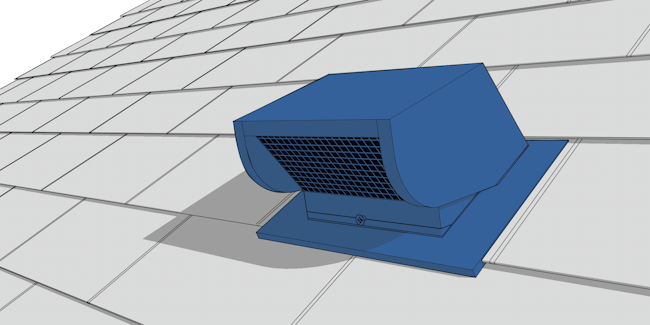
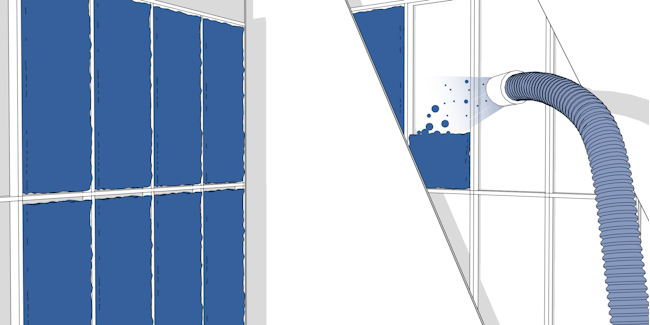
Making your home as cool, comfortable, and resilient as possible will help during extreme heat.
Ways to keep your home cooler: