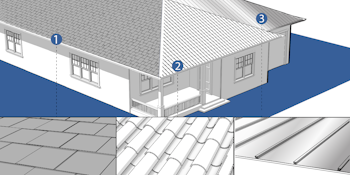
Hail can be dangerous and cause costly damage to your home, especially the roof, siding, and windows.
Learn how to stay safe in a hailstorm using the information on this page, identify your risk, understand your options, and protect your home against hail.
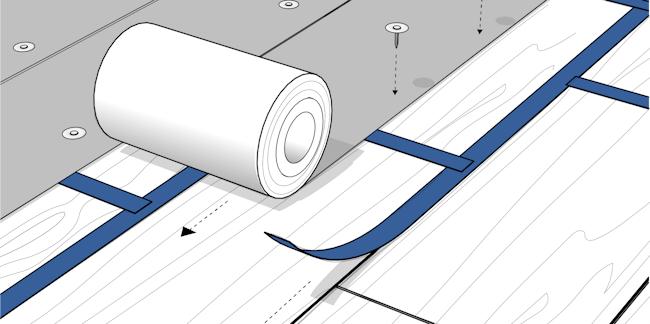
Choose impact-resistant roofing and construction materials if you reside in a hail-prone area.
When severe weather threatens, close blinds and windows to minimize the hazards of broken glass. Move vehicles into a garage or sheltered place.
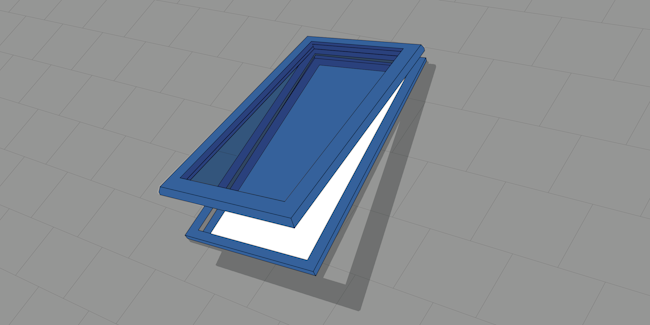
Take shelter away from windows, skylights, and glass doors that could be broken by hail.
Stay inside until the storm has passed; monitor your NOAA Weather Radio, smartphone apps, and local news for updates.
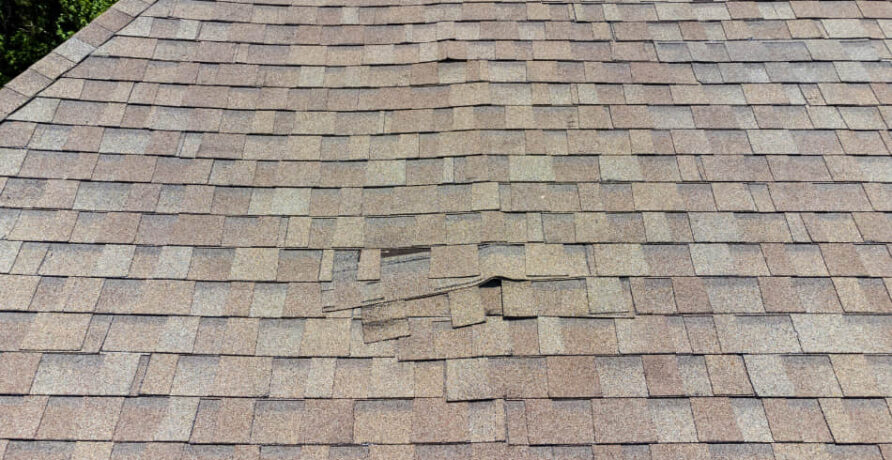
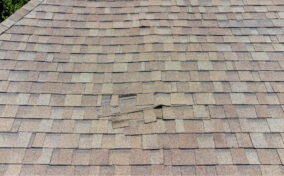
After the storm has passed, check the exterior of your home and roof for damage. Dented patio covers, screens, or soft aluminum roof vents could indicate roof damage.
Cover any broken windows and holes in your roof to prevent water intrusion. Plan to repair and rebuild resiliently to prevent damage from future hailstorms.
Please enter a more specific address.
The difference between a Severe Thunderstorm Watch and a Severe Thunderstorm Warning comes down to potential and immediate danger.

Severe Thunderstorm Watch: This means that the conditions are favorable for severe thunderstorms to develop. The warning is generally issued before a storm forms or while it is developing. The area covered under the watch includes large regions, often multiple countries and cities. When a Severe Thunderstorm Watch is issued, it is important to stay alert, monitor weather updates, and be prepared to act.

Severe Thunderstorm Warning: This means that a severe thunderstorm is occurring or imminent. The warning is issued when storms have been detected by the radar or reported. It covers a smaller, specific area in the storm’s path. When the warning is issued, it is important to take immediate action. General safety measures include moving indoors, staying away from windows, and securing loose objects.
The Federal Alliance for Safe Homes (FLASH) — a 501(c)(3) nonprofit organization — is the leading consumer advocate for strengthening homes and safeguarding families from natural and manmade disasters by following a solid emergency plan.
TornadoStrong helps consumers understand tornado watches and warnings, as well as safe room and shelter options.
Provides expertise and resources to upgrade disaster-affected homes to a more resilient standard.
The QuakeSmart Program provides businesses with the tools to become #EarthquakeStrong.
Hailstorms can severely damage your home’s roof, windows, and siding. Watch a quick safety video on how you can protect your home from these damages.
Protect Your Home from Hail Damage
Hail forms inside strong thunderstorm clouds when warm, moist air rises quickly, updrafts carry water droplets into very cold parts of the storm, and ice layers build up on those droplets. When the hailstones become too heavy for the updrafts to hold them up, they fall to the ground.
Key factors in hail formation are:
During a hailstorm, hailstones scatter the sunlight and the surrounding moisture in the atmosphere. The scattering can cause the sky to appear greenish, particularly where the hailstorm is occurring.
It is important to note that a green sky does not necessarily mean a hailstorm is imminent, and not all hailstorms create a green sky. Tornadoes or thunderstorms can cause a green sky too.
Some regions see hail more often or larger hailstones because the atmosphere, high winds, and terrain combine to produce strong storms.
Common hail-prone areas:
Hailstones can cause significant damage to an aircraft’s exterior, including the windshield, fuselage, wings, and engines. The hailstones collide with the aircraft at high speeds, causing dents, scratches, and even cracks in the exterior surfaces. Hail can also damage the aircraft’s engines and other critical components, which can affect the aircraft’s ability to fly safely.
Beyond the physical damage, hail can impede an aircraft’s performance when hailstones accumulate on the wings and other surfaces, increasing its weight and altering its aerodynamics. This can make it difficult for the plane to maintain altitude or control its direction.
Hail can strike quickly and with force. Protecting your family means getting to shelter, avoiding hazards, and planning appropriately for home safety.
Safety actions for your family:
Hail can damage roofs, siding, windows, and vehicles. You can reduce the impact by strengthening vulnerable parts of your home and property.
Steps to protect your home: