Each year, thousands of acres of wildland and many homes are destroyed by fires that can erupt at any time of the year. Wildfires spread quickly, igniting brush, trees, and homes.
Use our lookup tools to determine your risk, prepare your family, check your home strength, learn about your building code, and identify ways to strengthen your home against wildfires.
Create a family disaster plan and identify local authorities that provide wildfire updates and issue evacuation orders.
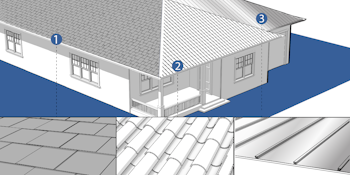
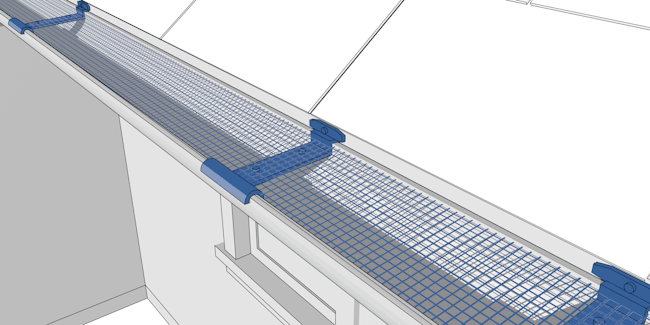
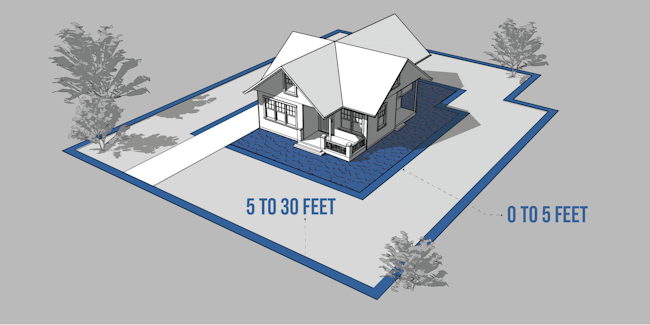
Evaluate your home and yard to identify potential ignition zones. Reduce and eliminate wildfire fuels, such as combustible decks, roofing, or landscaping.
Identify all water sources that firefighters may need to fight fire at your location.
Create a “go kit” with food, medicine, and important electronic documents and papers to take with you in the event of an evacuation.
Monitor the fire, follow the local authority’s instructions, and evacuate immediately if you are told to do so.
Follow the directions of local fire officials and only return home after it is safe. Use caution when re-entering a burned area, as flare-ups can occur.
When you enter your home, double-check the attic and the remainder of the house for hidden embers or other hot spots.
Take photos of property damage and file a claim with your insurance company.
Plan to repair and rebuild resiliently to prevent damage from future wildfires.
Please enter a more specific address.
A Fire Weather Watch and a Red Flag Warning are both alerts that inform the public about dangerous fire conditions. However, they differ in timing and certainty.

Fire Weather Watch: This warning is issued in advance , typically 24 to 36 hours ahead. It signals that critical fire weather conditions may develop. They are basically aimed at providing advanced notice so that you can take proper precautions and make better decisions if extreme circumstances occur.

Red Flag Warning: The warning is issued when critical fire weather conditions are happening or are most likely to occur within the next few hours (typically 12 to 24 hours). The critical weather conditions in such a warning combine several factors, like strong winds, low humidity, and dry fuels.
The Federal Alliance for Safe Homes (FLASH) — a 501(c)(3) nonprofit organization — is the leading consumer advocate for strengthening homes and safeguarding families from natural and manmade disasters by following a solid emergency plan.
TornadoStrong helps consumers understand tornado watches and warnings, as well as safe room and shelter options.
Provides expertise and resources to upgrade disaster-affected homes to a more resilient standard.
The QuakeSmart Program provides businesses with the tools to become #EarthquakeStrong.
Learn about how you can protect yourself and your property from wildfires. This video is going to provide you with tips and guides that will help enhance your safety.


WildfireStrong - No Fuel. No Fire.


A Tale of Two Homes - Wildfire
Here are some common FAQs that everyone should be familiar with to ensure safety during, before, and after a wildland fire situation.
Wildfires, also known as forest fires or bushfires, can start in several ways. The most common causes of wildfires include:
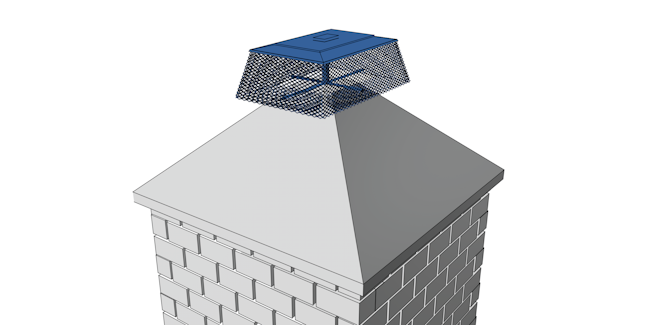
Once a wildfire is started, it can spread quickly, especially under hot, dry, and windy conditions. Wildfires can also be fueled by the presence of dry vegetation, such as trees, shrubs, and grasses, which can easily catch fire and spread flames. Wildfire embers can fly up to two miles, causing ignition, so it is critical to keep a noncombustible defensible space around your home.
Preventing wildfires requires a combination of actions, including proper forest management, responsible use of fire, and public education on fire safety. When a wildfire does occur, firefighters and other emergency responders work quickly to contain and extinguish the fire to minimize damage to property and natural resources.
Wildfires can occur at any time of the year, but they are most common during periods of hot, dry weather. In many regions, the peak wildfire season occurs during the summer months, when temperatures are high and humidity is low. However, in some areas, wildfires can occur year-round, especially in places with dry and windy conditions.
Factors such as drought, heat waves, and high winds can increase the risk of wildfires by drying out vegetation and making it more susceptible to ignition. Lightning strikes are also more common during certain times of the year, which can increase the risk of wildfires caused by natural factors.
It’s important to note that wildfires can occur in any region, and even areas with relatively moist or wet conditions can experience wildfires if the weather conditions are right. It’s crucial to follow fire safety guidelines and monitor weather conditions in your area to minimize the risk of wildfires and stay safe if one does occur.
An approaching wildfire often gives off several visible, audible, and environmental clues. If you notice any of these signs, especially more than one, stay alert and follow local emergency instructions.
Common warning signs include:
If you see these warning signs, prepare to take action: review your evacuation plan, clear debris near your home, and monitor updates from emergency managers.
You can reduce wildfire risk by creating space between your home and anything that can burn, using fire-resistant building materials, and keeping your property clear of debris. Even small improvements can make a difference when embers start to fall.
Key steps to protect your home:
These steps can help slow the spread of fire, reduce ember ignition, and give firefighters a better chance to defend your home if a wildfire moves into your area.
Yes. Most standard homeowners’ insurance policies cover wildfire damage, but coverage can vary by state and by insurer. It’s important to understand what your policy includes so you know how well you’re protected before a fire happens.
What insurance usually covers:
What to check in your policy:
If you live in a region with frequent wildfire activity, talk with your agent about strengthening your coverage, ensure your inventory is up to date, and understand what documentation you’ll need if you ever have to file a claim.