A winter storm is a combination of heavy snow, blowing snow, and/or dangerous wind chills and can be life-threatening. In North America, winter storms typically form when an air mass of cold, dry Canadian air moves south and interacts with a warm, moist air mass moving north from the Gulf of Mexico.
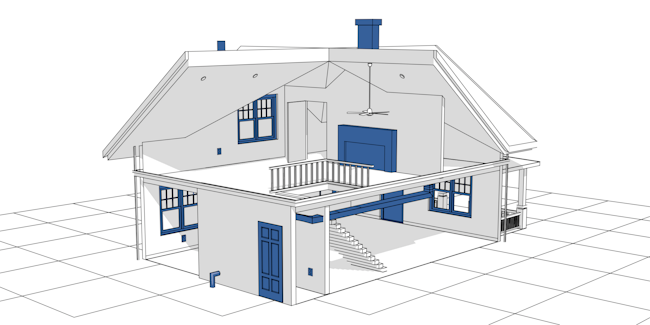
Use our lookup tools to determine your risk, prepare your family, check your home strength, learn about your building code, and identify ways to strengthen your home against winter storms.
Stay warm and safe by staying prepared. Create a family disaster plan and build disaster supply kits for both your home and your car.
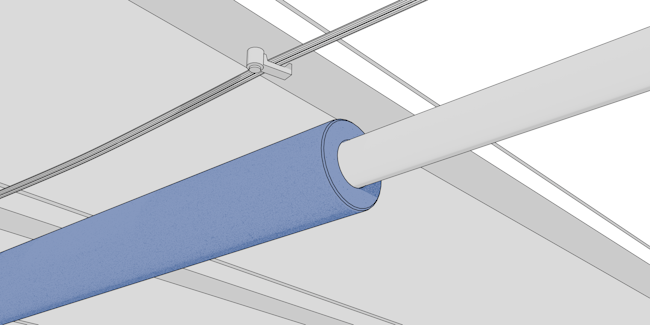
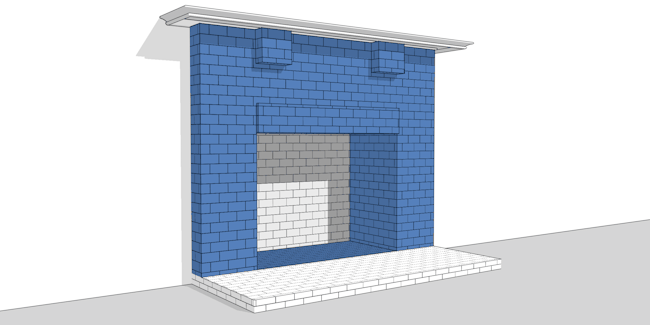
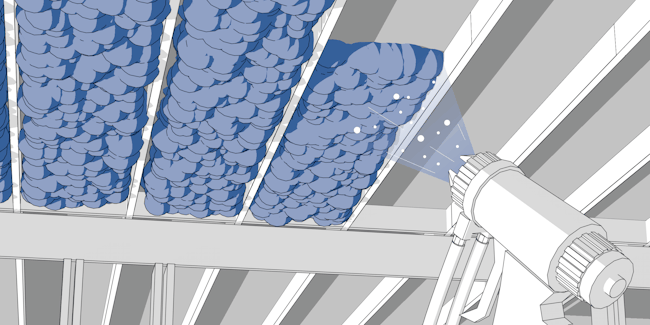
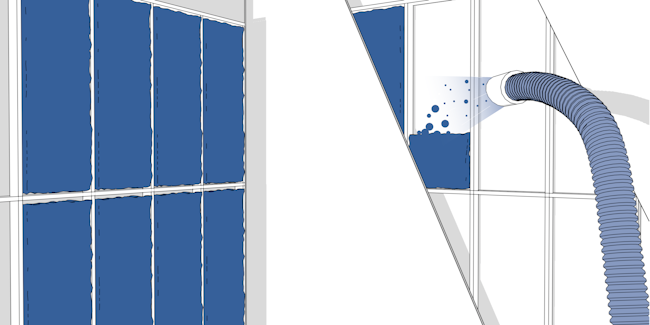
Install smoke alarms and carbon monoxide detectors that keep you, your family, and your home safe. Strengthen your home to withstand the effects of winter storms by increasing energy efficiency, protecting against frozen pipes, and removing dead branches and trees.
Monitor the weather and stay indoors throughout the storm.
If your heating system or power stops working, keep the heat inside and the cold out by filling the cracks under your doors or around your windows with towels or rags. Close all blinds and curtains. Use generators safely.
If you suspect your pipes may have frozen, shut off the water supply and call a plumber to make repairs.
If it is safe to go outside, visually inspect your roof and areas around your home for potential damage from downed limbs or the weight of the snow and ice. Cracked or leaking ceilings may indicate roof damage. Begin to clear the snow around your home and vehicles taking special care to avoid over-exertion.
Take photos of property damage and file a claim with your insurance company.
Please enter a more specific address.
A Winter Storm Watch and a Winter Storm Warning are issued by the National Weather Service to notify individuals about weather advisories. A “watch” is used when there is a high probability of dangerous weather conditions occurring. A ”warning” is used when dangerous weather conditions are extremely likely to happen soon.

Winter Storm Watch: It is used in advance, usually 24 to 28 hours before. This notifies that severe winter weather accompanied by heavy snow, sleet, or ice is likely to occur. The alert aims to make individuals aware and remain prepared.

Winter Storm Warning: It is used when severe winter conditions are expected or already happening in certain regions. The warning indicates that dangerous conditions are extremely likely to occur or have already occurred, signaling the need to take immediate action.
The Federal Alliance for Safe Homes (FLASH) — a 501(c)(3) nonprofit organization — is the leading consumer advocate for strengthening homes and safeguarding families from natural and manmade disasters by following a solid emergency plan.
TornadoStrong helps consumers understand tornado watches and warnings, as well as safe room and shelter options.
Provides expertise and resources to upgrade disaster-affected homes to a more resilient standard.
The QuakeSmart Program provides businesses with the tools to become #EarthquakeStrong.
First step in being prepared to fully understand the situation you might end up in. Here is some crucial knowledge about winter storms and the harsh winter season that can help you prepare better.
Winter storms can be dangerous for several reasons:
It’s important to be prepared for winter storms by having emergency supplies, staying informed about weather conditions, and following any instructions or evacuation orders from local authorities.
Winter storms can be dangerous for several reasons.
Heavy snowfall can create hazardous driving conditions and make it difficult to travel on foot. Snow can also accumulate on roofs and cause collapses, as well as down power lines and disrupt electricity.
Winter storms can also bring strong winds that can cause power outages, uproot trees, and damage buildings and infrastructure.
Freezing rain, sleet, and ice storms can create extraordinarily slippery and dangerous conditions on roads and sidewalks, increasing the risk of accidents and injuries.
Extreme cold temperatures associated with winter storms can lead to hypothermia, frostbite, and other health problems if proper precautions are not taken.
Winter storms can also significantly disrupt transportation and other essential services, such as food, water, and medical supplies. They can also cause significant economic losses, such as damage to crops, livestock, and property.
It’s important to be prepared for winter storms by having emergency supplies, staying informed about weather conditions, and following any instructions or evacuation orders from local authorities.
Wind chill is the measure of how cold the air feels on exposed skin due to the combination of temperature and wind speed. As wind speed increases, it removes heat from the body at a faster rate, making the air feel colder than it actually is.
The wind chill temperature is not the actual temperature of the air but rather the temperature that the body perceives it to be.
Wind chill is a crucial factor to consider when preparing for outdoor activities in cold weather. Prolonged exposure to cold temperatures and wind chill can lead to hypothermia, frostbite, and other cold-related illnesses. It’s essential to dress in warm layers, cover exposed skin, and limit time spent outdoors during extreme cold and windy conditions.
Preparing in advance gives you a big advantage when a storm hits. Here’s what you should do:
These steps can reduce the chance of major damage, help keep your family safe, and make you less vulnerable if utilities go out.
A power outage in freezing conditions can become a serious hazard, but you can take effective actions:
Taking these steps can help you maintain safety and comfort until power is restored.
Frozen pipes can burst and cause major damage. Protect them with these actions:
By taking these precautions, you can reduce the risk of burst pipes and the water damage that often follows.