Devastating floods occur throughout the U.S. every year. Ninety percent of all presidentially declared natural disasters involve flooding.
There are different types of flooding: river, coastal, storm surge, and inland. All can cause death, injury, and property destruction.
See how to determine your risk, prepare your family, learn about your building code, and identify ways to strengthen your home against flooding.
Taking steps to protect your home from floods not only safeguards your property but also keeps your family safe and offers peace of mind.
Flood situations can escalate rapidly, creating dangerous conditions in and around your home. Floods often come with risks of electrical hazards, structural damage, and contamination. This impacts the well-being of your family, making them susceptible to a wide range of diseases, viruses, and other hazards. By protecting your home from floods, you can keep your family safe no matter how bad the situation is.
Your home is not just expensive but is also very precious and dear to your heart. Flood damage can lead to expensive repairs, long-term structural issues, and loss of personal belongings. These issues burn a hole in your pocket and leave you devastated. This is why it is important to protect your home and precious belongings from floods. Taking precautionary measures helps minimize damage, reduce recovery costs, and allow you to maintain your home in all its glory for the long term.
Knowing that your home is well prepared for floods provides you with confidence and peace of mind. When a flood-like situation occurs, you don’t have to waste your time making your home flood-ready because you are already prepared for any and every dire situation. At this point, you can focus on what matters most to you, and that is your family’s well-being.
Flood protection is a very wise investment. This step protects your home and helps you save money in the long run. Let us look at why you should invest in flood protection:
Flood protection reduces the risk of damage caused by floods. This may help lower insurance premium costs over time. By strengthening your home against flooding, you ensure that your property is less susceptible to water damage. This could potentially lead to long-term savings in the form of lower insurance premiums.
Homes with flood protection often attract more buyers in regions that are prone to flood-like situations. So, if you plan to sell your home in the future, flood protection will enable you to get a good price.
Protecting your home from floods reduces your stress during heavy rain and stormy seasons. Knowing that you have protected your home from flooding and taken measures to reduce the risk of property damage makes you feel more confident and prepared throughout the storm season.
Flood damage can lead to costly and recurring repairs, especially if you live in a region that is highly susceptible to these conditions. However, with flood protection, you minimize damage, reduce repair frequencies, and prevent long-term structural issues. All this at the end of the day helps you save money.
Flood-resistant homes keep you safer by using advanced flood protection options, elevating living spaces, using strong foundations to fight against water pressure, and incorporating smart layouts for quick evacuation. In the section below, we will discuss these points in detail:
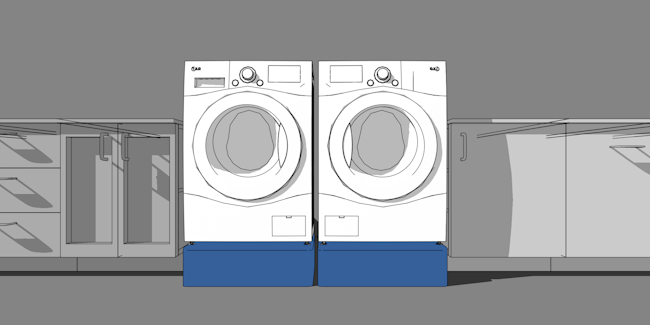
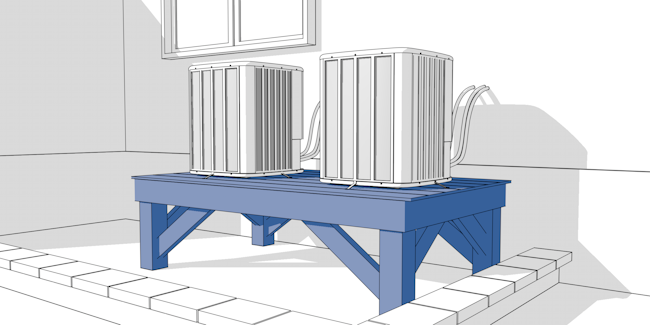
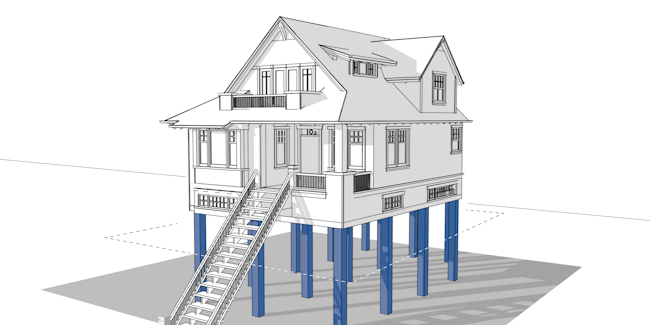
Elevating homes above the expected flood levels prevents the floodwater from entering the living spaces. This design reduces damage to floors, walls, appliances, and the electrical system. Additionally, your personal belongings are also safe in case the water enters the living spaces.
Flood-resistant homes are built on strong foundations. This upgrade helps withstand hydrostatic pressure from floodwaters. Strong foundations reduce the risk of structural failure, shifting, or collapse, helping keep the home stable and supporting long-term flood control.
When you use durable materials in your home’s construction, you make it resistant to water pressure and other damage. Use water-resistant insulation, treated lumber, and non-porous finishes to prevent damage from water exposure. These materials dry quickly, don’t allow the growth of molds, and allow for quicker recovery after a flood.
A smart layout helps you remain well prepared in case you need to evacuate your home or require emergency access to some areas. When building your home, always opt for a layout that facilitates secure evacuation. Ensure that the exits are unobstructed and help residents move out quickly and safely if the flood situations worsen.
An area can flood with little warning; create a plan and build a disaster supply kit that keeps you and your family safe. Consider purchasing flood insurance even if you are outside of a designated flood zone. Protect your home with wet and dry floodproofing methods.
If a flood is imminent, deploy sandbags to redirect stormwater and debris flows away from your home. Keep essential electronics fully charged. Evacuate if ordered to do so.
To prepare your business or organization for flooding, download the free Ready Business Inland Flooding Toolkit to kickstart your planning.
During a flood, monitor conditions, take all safety precautions, and follow the advice of authorities. If water enters your home, take refuge on a higher floor. Don’t enter any room where water covers the electrical outlets or if cords are submerged, especially a basement.
Turn Around Don’t Drown: Never travel through flooded areas or roadways.
Flood levels may continue to rise for days even after the rain stops; don’t try to re-enter an area until authorities say it is safe.
If water entered your home, create airflow and ventilation to prevent mold. Use generators safely until power is restored. Take photos of property damage and file a claim with your insurance company. Plan to repair and rebuild resiliently with wet and dry floodproofing to prevent damage from future floods.
Please enter a more specific address.
FLASH is your trusted companion when it comes to flood protection. We offer reliable guidance, practical tools, and a trusted partnership to reduce flood risk and build safer, more resilient homes. With the help of the right guidance and collaboration, we help families prepare for these situations and recover from natural as well as manmade disasters with confidence.
FLASH offers easy-to-follow step-by-step safety guides that help protect your home from floods. We assist homeowners in planning for these situations, mitigating them, and offering the right information for recovery. These resources help families understand flood risks and take informed actions to protect themselves and their homes after flooding.
The resources offered by FLASH are backed by experts. This means that receiving credible information will help protect your property. We understand that flood mitigation and safety measures must be precise and accurate to ensure optimal protection. By referring to our guides backed by experts, you receive research-backed information that you can trust.
Our resources also include real-life stories of families who have faced flooding and rebuilt stronger homes. We understand that not everyone is aware of flood protection. But it is never too late to educate yourself about them and include positive reinforcement. By learning from real-life stories, you can practically implement the measures mentioned in our resources.
We partner with experts and professionals who bring tools and programs to protect your home from floods. The leaders and organizations that we partner with have the same vision as us. They want America to be a disaster-resistant nation.
FLASH aims to connect the partners with the homeowners to deliver effective solutions that support long-term flood resilience.
By connecting with FLASH, you can rest assured that you will be able to safeguard your home from the dire impacts of natural and manmade disasters.

A Flood Watch is issued when conditions are favorable for a specific hazardous weather event to occur. A Flood Watch is issued when conditions are favorable for flooding. It does not mean flooding will occur, but it is possible.

A Flood Warning is issued when the hazardous weather event is imminent or already happening. A Flood Warning is issued when flooding is imminent or occurring.
A Flash Flood Warning is issued when a flash flood is imminent or occurring. If you are in a flood prone area move immediately to high ground. A flash flood is a sudden violent flood that can take from minutes to hours to develop. It is even possible to experience a flash flood in areas not immediately receiving rain.
The Federal Alliance for Safe Homes (FLASH) — a 501(c)(3) nonprofit organization — is the leading consumer advocate for strengthening homes and safeguarding families from natural and manmade disasters by following a solid emergency plan.
The Playbook provides proven strategies for all leaders who wish to drive resilience.
This annual conference brings together the nation’s leading voices in disaster safety.
Inspect2Protect will help you understand the building code where you live.
With the right preparation, you can protect your home from floods and save a lot of money in the long run. At FLASH, we have some essential video tips and guides that will help you reduce flood risks and protect your property. Learn about the practical steps to prevent flood damage and plan safe evacuations. Watch now to take proactive steps.
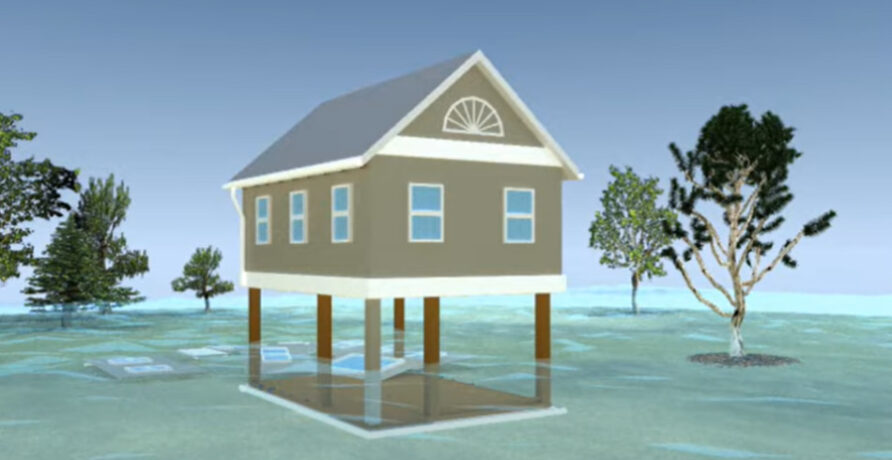
Protect Your Home from Flood Damage
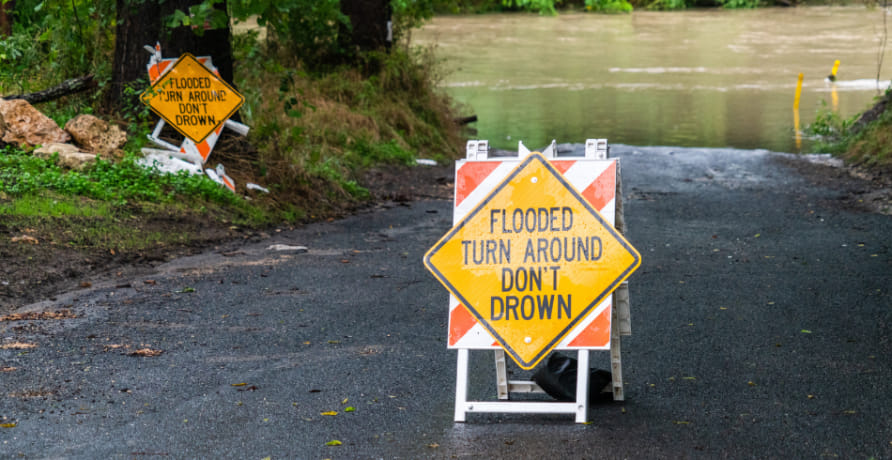
Turn Around Don't Drown
Anywhere it can rain, it can flood, making flooding risk one of the deadliest and most widespread hazards across the United States. Here is why:
Flooding can affect individuals, communities, and even entire regions. Each year, flooding causes more deaths than any other thunderstorm-related hazard. The most common flood deaths occur when someone drives into a flooded street, bridge, or overpass.
Floodwaters can carry bacteria and viruses that can cause illness, and stagnant water can become a breeding ground for mosquitoes and other disease-carrying insects. Flooding can also reduce the supply of clean drinking.
Floods can:
It is essential to take flood warnings seriously. Prepare for potential flooding by monitoring weather alerts, having an emergency kit, and following evacuation orders.
The reason that so many people drown during flooding is that they underestimate the incredible power of water. Six inches of fast-moving flood water can knock over an adult. Twenty-four inches, or two feet, of rushing water will carry away most vehicles, including pickups and SUVs.
If you come to an area that is covered with water, you cannot determine the depth of the water or the condition of the ground under the water. This is especially true at night when it is hard to see hidden hazards such as deep potholes, debris, or downed power lines.
Some of the other reasons to avoid driving in flooded areas include:
Play it smart. Play it safe. Whether driving or walking, any time you come to a flooded road, TURN AROUND, DON’T DROWN!
Yes. Smart home devices can monitor, alert, and even activate protections that reduce flood damage.
Smart-technology tools to consider:
These tools work best when combined with physical mitigation upgrades and a proactive home-maintenance plan.
Preparing your family means having a plan, putting together supplies, and knowing when to evacuate.
Family emergency preparation steps:
Yes. Mitigation improvements can boost a home’s resilience and market appeal, particularly in areas with high flood risk.
Ways flood protection may increase property value:
When buying or selling, documenting these upgrades and their benefits can help in increasing the value of the property.